

Importer of Record (IOR)
Assess the entity and documentation requirements for bringing goods into a destination country, including customs declarations, importer eligibility and coordination with licensed parties.
Equipment shipments across international borders require more than transport. They require the right importing or exporting entity, shipment documentation, regulatory checks and a clear division of responsibilities. TFS Middle East helps businesses evaluate IOR/EOR arrangements and coordinate the trade requirements associated with specialized procurement.

Importer of Record (IOR) and Exporter of Record (EOR) arrangements help establish who assumes the relevant customs and regulatory obligations in a given jurisdiction. The appropriate structure depends on the countries, goods, transaction and applicable regulations.
Assess the entity and documentation requirements for bringing goods into a destination country, including customs declarations, importer eligibility and coordination with licensed parties.

Clarify export-side entity responsibilities, shipment classification, documentation and any applicable licensing or control requirements before goods leave the origin country.
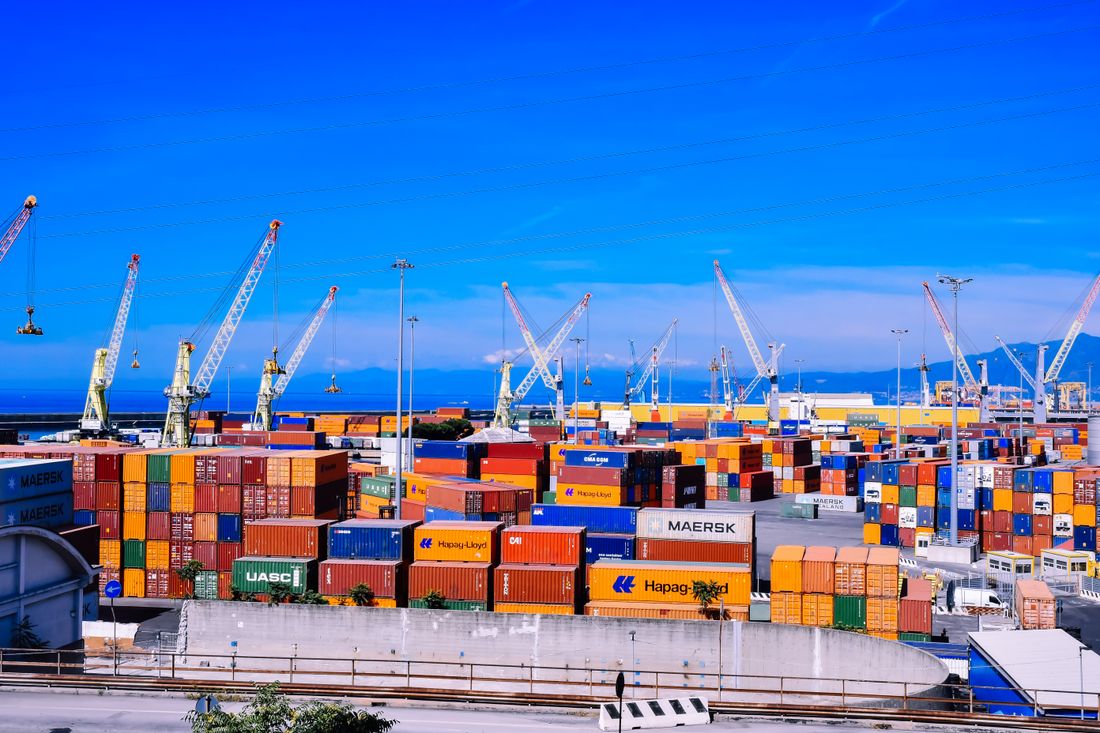
Connect equipment procurement with the appropriate import/export process, commercial documentation and logistics parties so responsibilities are understood before shipment.
We assess the practical questions early so the correct parties can confirm what is permitted, who is responsible, and which documents are required.
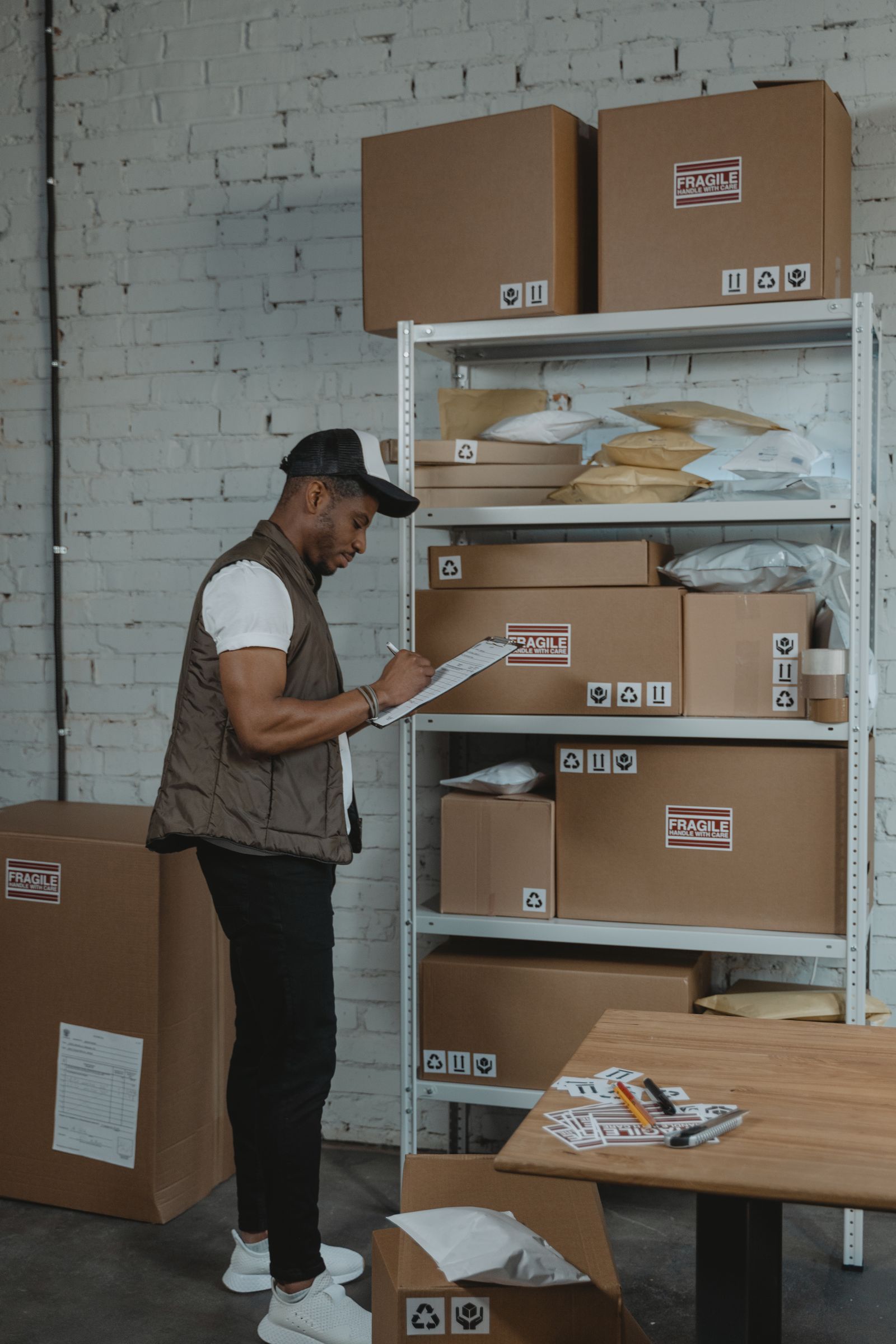
Each shipment is assessed individually. Our role is to coordinate commercial and operational inputs, not to imply that a single arrangement applies to every country or commodity.
Collect shipment route, goods, value, intended use, delivery terms and party details.
Identify the relevant IOR/EOR responsibilities and ask appropriate local specialists to confirm requirements.
Coordinate required commercial and shipment documents, addressing information gaps early.
Support handoff to the responsible licensed parties and shipment providers, with updates on next steps.
Tell us the origin and destination, product type, approximate value, commercial terms and shipment timing. We can review whether an IOR/EOR coordination arrangement may be suitable, subject to local requirements and partner availability.
Service availability, customs representation and regulatory responsibilities are subject to shipment-specific assessment and applicable local law.